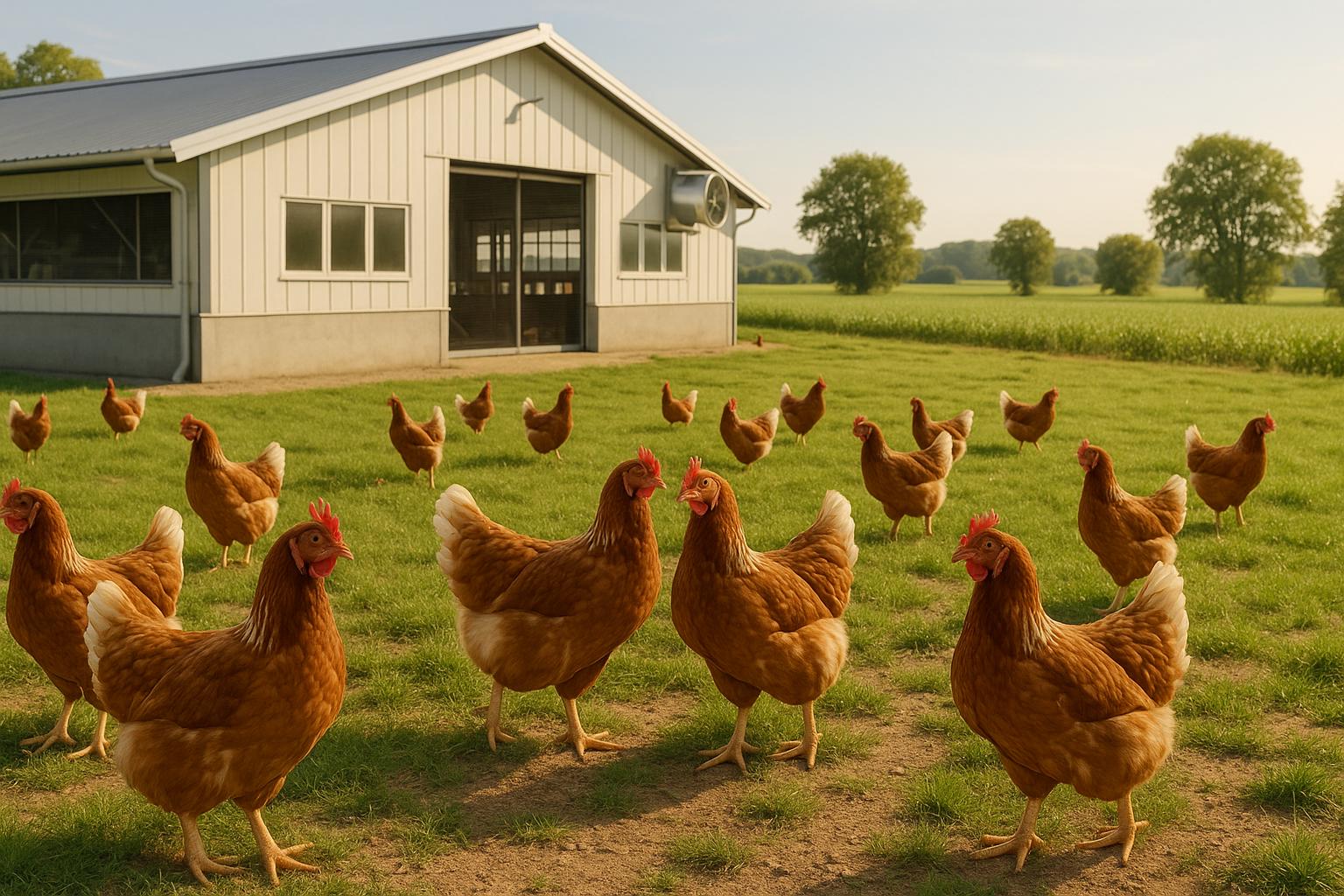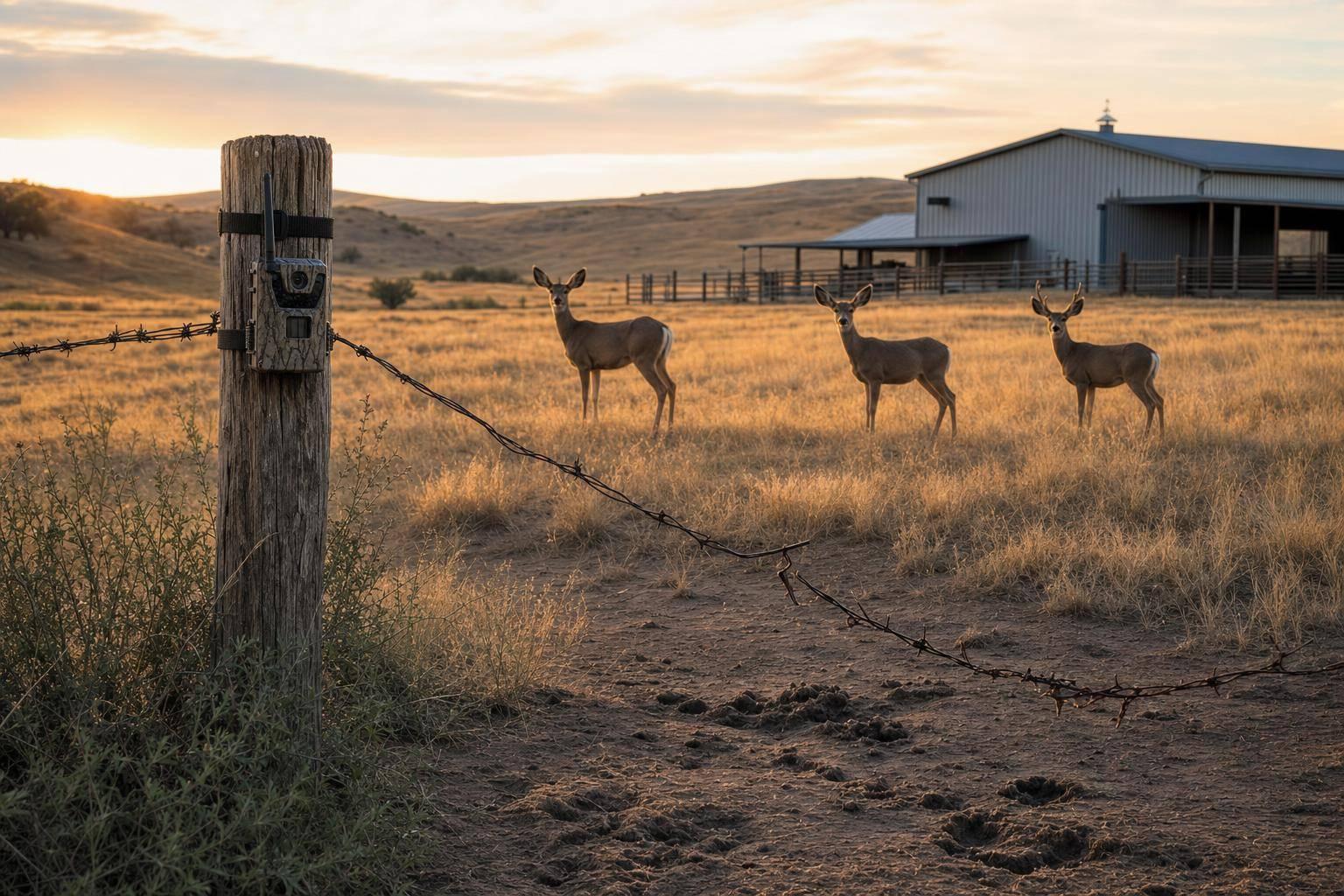
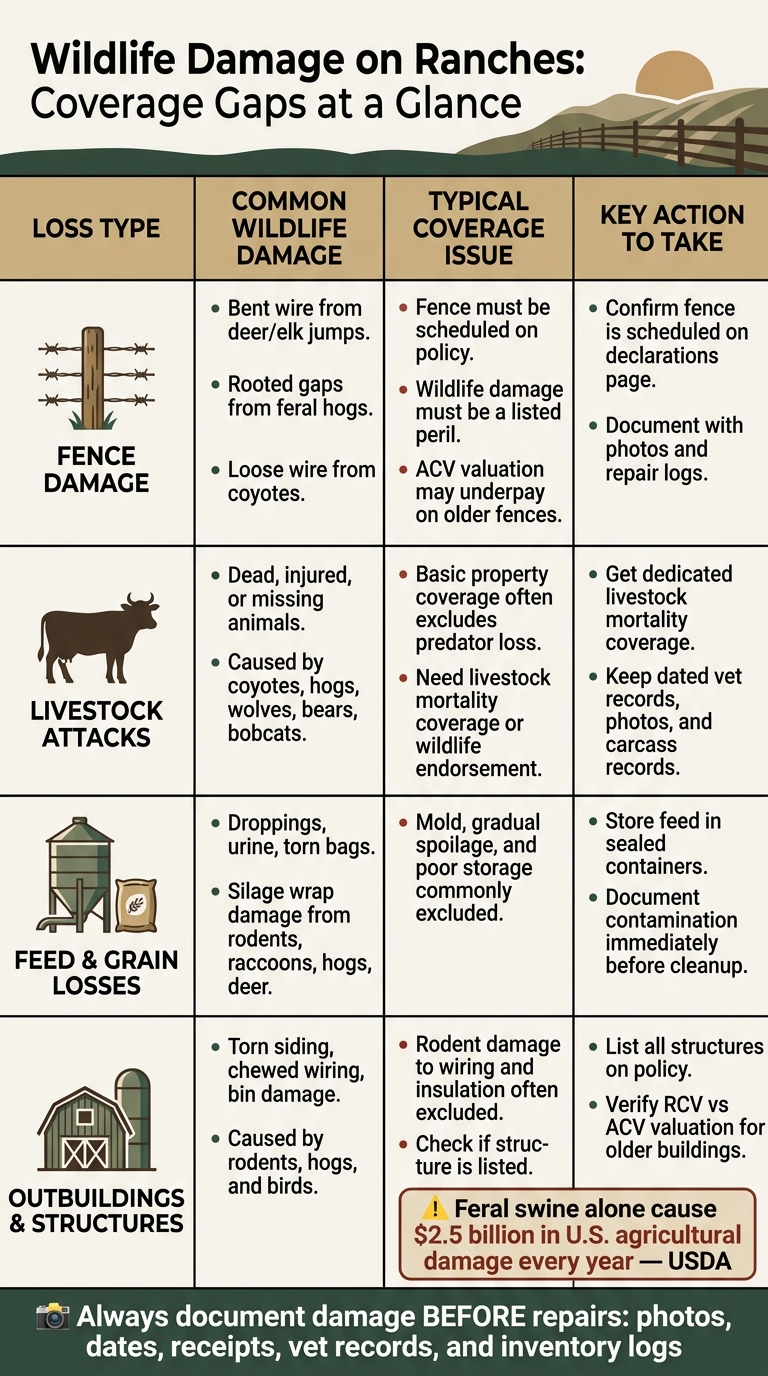
Wildlife damage can cost a rancher money fast, but insurance often pays only for some losses. Fence breaks, dead or missing livestock, spoiled feed, and damaged sheds may be covered - but only if the property is listed, the cause of loss is covered, and the bill is more than the deductible.
Here’s the short version:
- Fences may not be covered unless they are scheduled on the policy
- Predator losses often need special livestock coverage or an endorsement
- Feed and grain losses may be denied if the issue looks like spoilage, mold, or poor storage
- Barns, sheds, and bins may be covered under structures, but rodent damage is often excluded
- Deductibles, sublimits, and claim caps can cut a payment by a lot
- Proof matters: photos, dates, receipts, vet records, and inventory logs can help support a claim
One number stands out: USDA says feral swine cause $2.5 billion in damage to U.S. agriculture each year. That helps show why ranch owners need to look at both loss prevention and policy details.
How to Protect Your Ranch: Insurance Insights Every Producer Should Know
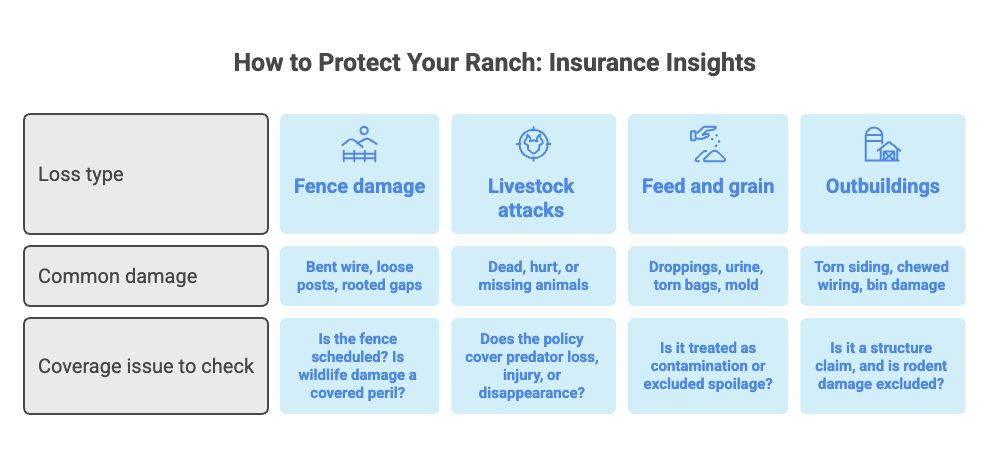 If I were reviewing this topic, I’d focus on one thing first: match each type of wildlife loss to the right coverage bucket before a claim happens.
sbb-itb-b725090
Fence Damage from Deer, Hogs, Coyotes, and Other Wildlife
Wildlife tends to damage ranch fences in pretty predictable ways.
Deer and elk usually do the damage from above. They jump fences and can bend or snap top wires, especially if they keep crossing at the same spot. Feral hogs are a different problem. They root under the bottom wire, pull staples loose, and leave gaps big enough for calves to slip through. Once hogs find a weak stretch, that one trouble spot can turn into a steady repair bill. Coyotes go after weak points too, but they squeeze through them - warped gates, loose wire, or places where brush has shoved the fence inward. Over time, that pressure loosens corners, knocks gates out of line, and turns small openings into easy escape points. Those are also the first spots worth checking after any wildlife incident.
Prevention Steps That Cut Repeat Fence Losses
The best place to start is figuring out where wildlife pressure shows up most often. Check key fence lines by season, or more often during peak movement periods. Look for loose wire, leaning posts, fresh tracks, hair, and signs of hog rooting. It also helps to keep a simple log with the date, what you found, and what repair you made. That way, repeat-problem areas stand out before they turn into livestock escapes.
At high-pressure spots, use H- or N-braced corners. They hold up much better than single-post corners when deer jump nearby or hogs push into the wire. In hog-prone areas, heavier gauge wire, posts set closer together, and extra ground staples can help. A buried apron can also slow rooting and undercutting. To cut down on deer strikes, raise the top wire to 38 to 42 inches and add flagging.
Prevention can cut repeat losses. But from an insurance standpoint, coverage only matters if the fence is scheduled and the loss gets past the deductible.
When Fence Repair May Be Covered by a Policy
Even if you’ve already fixed the fence, it’s still worth checking the policy language. Fence coverage usually isn’t automatic. In many cases, the fence has to be scheduled on a farm and poultry insurance policy, or the loss may sit outside coverage or get limited by a small other-structures cap.And even when a fence is scheduled, payment may only apply to listed perils and may not include repeat wildlife damage.
There’s another catch: valuation is often based on actual cash value, not full replacement cost. So if the fence is older, the payout may fall well short of today’s material prices.
Most minor fence repairs still don’t make sense to claim. A lot of them land below a typical $500 to several-thousand-dollar deductible, which means there’s often no insurance payment at all.For day-to-day repairs, many ranchers simply treat the cost as part of running the operation and save claims for bigger, sudden losses.
Livestock Injuries and Animal Attacks
Predator losses usually show up on a ranch in three plain ways: dead animals, injured survivors, or livestock that go missing and never turn up. An attack may leave a carcass, an animal that survives with wounds, or no animal at all. Coyotes are the top wildlife predator of U.S. livestock, especially calves, lambs, kids, sheep, goats, and chicks. In some areas, feral hogs, wolves, bears, bobcats, foxes, raccoons, hawks, and stray dogs also cause damage. But the main problem isn't only the attack itself. It's whether the rancher can prove what happened when it's time to file a claim.
Reducing Predator Pressure Around Herds and Flocks
Move the most vulnerable animals into protected pens during the times when risk is highest. That includes pregnant animals and newborn calves, kids, lambs, and chicks. Closer supervision or protected housing can cut losses in a big way. Colorado State University Extension reports that calf predation rates can reach 5% without coyote management, but they can drop to under 1% with active control in place.
For poultry, the basics matter a lot:
- Secure housing
- Locked doors
- Predator-proof latches
- Covered runs
- Fast removal of carcasses and feed attractants
Those steps can help stop repeat visits. It also pays to keep dated notes on attacks, tracks, wounds, missing animals, and damage to pens or fences.
How Livestock Losses Are Valued in a Claim
A livestock claim usually depends on the type of animal and the policy's valuation rules. Some claims are based on head count, some on market value, and some on breeding value. Commodity animals often settle close to market value. Registered breeding stock and performance animals may qualify for higher limits if the policy lists them by name. Standard farm personal property coverage often gives blanket coverage up to about $5,000 per animal, with endorsements available for higher limits on high-value livestock.
A missing animal is often the toughest kind of loss to claim. No carcass means no easy proof, and no clear injury means more room for doubt. In that case, insurers may ask for stronger proof that a predator caused the disappearance. The records that matter most are dated photos, tracks, wounds, carcass records, veterinary reports, and damage to fences or gates.
You should also check whether your policy covers wildlife attacks in the first place. Basic property coverage may leave out predator losses. In many cases, you need dedicated livestock mortality coverage or a specific endorsement for death caused by wild animals. It also helps to read the fine print before anything happens, since coverage can differ for death, injury, and disappearance. Beyond wildlife, ranchers should also understand livestock disease coverage and how it differs from predator losses. Wildlife can also spoil feed and damage buildings, and those losses fall under different coverage rules.
Ruined Feed, Stored Grain, and Damaged Outbuildings
After livestock losses, the next hit often shows up in storage. Wildlife doesn’t stop at animals. It can ruin feed, contaminate grain, and damage barns, sheds, and bins before anyone spots the problem.
Raccoons, rodents, birds, opossums, deer, and feral hogs can all make a mess of stored feed or outbuildings. Rodents and raccoons may burrow into grain bins or chew through plastic wrap and feed bags, leaving droppings and urine behind. That matters because those materials can spread Salmonella and leptospirosis to the herd.Opossums can also contaminate feed with feces that carry the protozoan linked to equine protozoal myeloencephalitis (EPM) in horses.Feral hogs and deer may trample hay bales, tear silage wrap, and foul mineral tubs with manure and soil.
Preventing Feed Contamination and Spoilage
The goal is pretty simple: keep feed dry, sealed, and hard for wildlife to reach.
- Store grain in sealed bins and keep bagged feed in closed, rodent-resistant containers.
- Stack hay on pallets instead of directly on the ground to cut moisture wicking and make access harder for rodents and hogs.
- For silage, use high-quality plastic wrap, weigh it down, and fix tears right away.
Check feed by sight and smell before every feeding. Mold, off-odors, discoloration, or visible droppings are all signs to pull the feed at once. Clean feed areas weekly, and clear brush around storage buildings so pests have fewer places to hide.
Prevention can cut losses, but insurance still turns on how the damaged item is classified.
Coverage Differences for Buildings, Equipment, and Feed
Barns, sheds, and bins usually fall under farm structures. Feed, grain, and supplies usually fall under farm personal property, and those categories often come with separate limits and valuation rules.
That split can change the outcome of a claim. Sudden animal damage to a barn or shed may be covered under farm structures, but rodent damage to wiring, insulation, or interior walls is often excluded. Feed and grain losses run into a similar problem: mold, gradual spoilage, and poor storage practices are commonly excluded, even if wildlife played a part.
Once you know which coverage bucket applies, the next issue is whether the loss is large enough to get past the deductible.
Claim Limits, Deductibles, Documentation, and Next Steps
Even if wildlife damage fits a covered cause of loss, the claim check may still be smaller than expected. Once the damage lands in the right coverage bucket, payment comes down to the policy limit, any sublimit, and the deductible.
Sublimits are caps inside the main policy limit.For example, a ranch policy may show a $500,000 structures limit but limit fence coverage to $10,000. That difference matters fast if one hog-damaged fence line costs $20,000 to replace. Check that fences, corrals, and any newer structures appear on the declarations page.
If damage happens, document it before any repairs start.Take photos and video of the full area, then get close-up shots of broken sections, torn siding, or spoiled feed. Write down when you found the damage and when you think it happened. Gather purchase receipts, livestock records, and feed inventory logs. Then call your agent as soon as you can to report the loss and check whether it clears your deductible.
When a Loss Falls Below the Deductible
After you document the damage, look at the repair cost against the deductible. Ranch policies often use flat deductibles, often $500, $1,000, or $2,500 per occurrence. If repairs cost $800 and your deductible is $1,000, the insurer pays nothing. When wildlife repairs land in the $500 to $1,500 range, paying out of pocket can make more sense than filing a claim. Go over deductible options with a local farm-ranch agent before the next loss.
Conclusion: Match Each Wildlife Problem with Prevention and a Policy Review
The pattern with fences, livestock, feed, and outbuildings is pretty simple: prevention cuts down how often losses happen, and a well-set policy softens the financial hit when prevention doesn't work. Repair fences fast after a breach, use stronger night enclosures and predator deterrents for livestock, keep feed sealed, keep storage areas clean, and make sure each building and its contents are listed on the policy with accurate values. Also check whether your policy pays replacement cost value (RCV) or actual cash value (ACV) on key assets. Older structures covered at ACV can lead to much lower claim payments once depreciation is applied.
Review limits, deductibles, and schedules before wildlife damage turns into a claim.
FAQs
How do I know if my fence is scheduled on my policy?
Review your asset inventory and policy terms to find out whether your fence is listed on its own as scheduled coverage or included under a blanket policy.
As your farm changes and grows, your coverage may need to change too. Talk with your local Martin Agency agent to confirm how your fence is insured and whether your limits still line up with your assets.
What proof do I need for a wildlife damage claim?
Keep clear records that show what your assets were worth and what shape they were in before the damage happened.
For livestock, hold on to details like:
- Species
- Breed
- Age
- Purchase price
- Current market value
- Official ID records
For property and outbuildings, save current photos, blueprints, receipts, maintenance logs, and prompt inspection or incident reports. It also helps to document any safety measures in place, since that can support your claim and show that you followed the policy rules.
When is wildlife damage worth filing a claim?
Wildlife damage is worth claiming when it leads to actual loss or damage to insured property or livestock and your policy covers that loss instead of carving it out.
That can mean animal attacks, livestock losses, spoiled feed, or damage to outbuildings. In liability cases, there needs to be injury or property damage that creates legal responsibility.
Before you file, document the incident and follow your policy’s deadlines and paperwork rules.